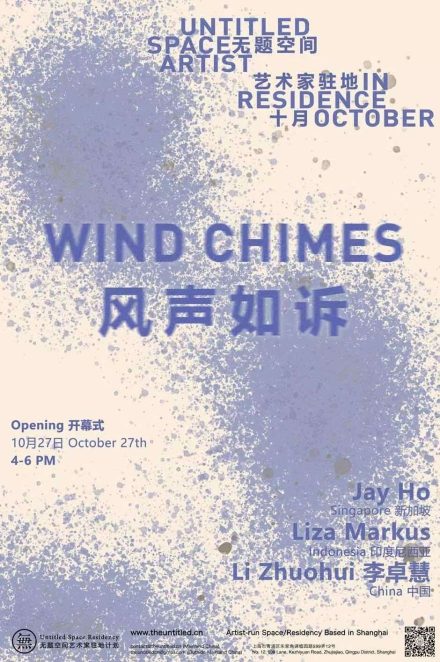
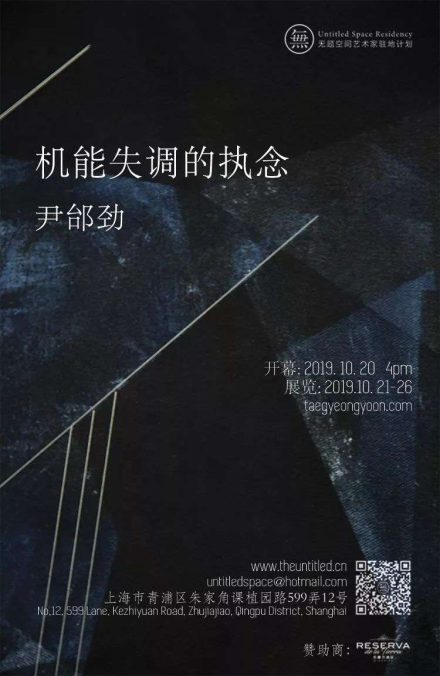
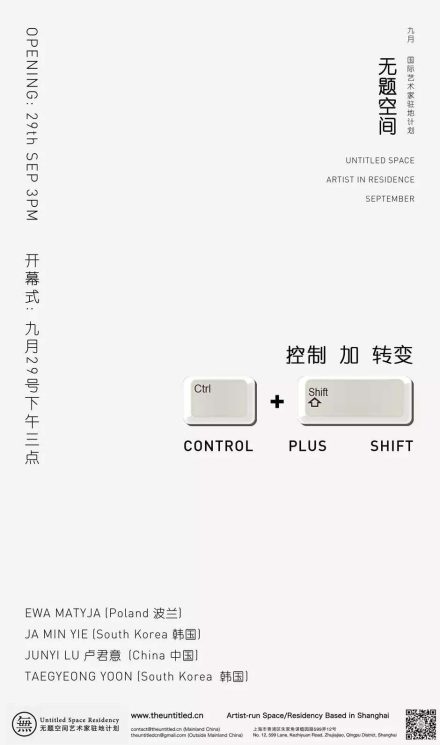
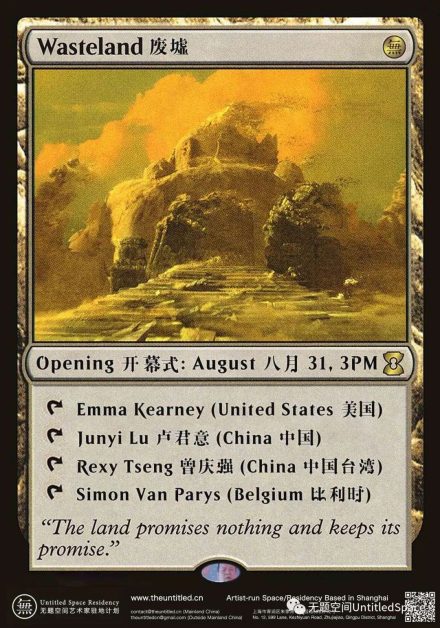
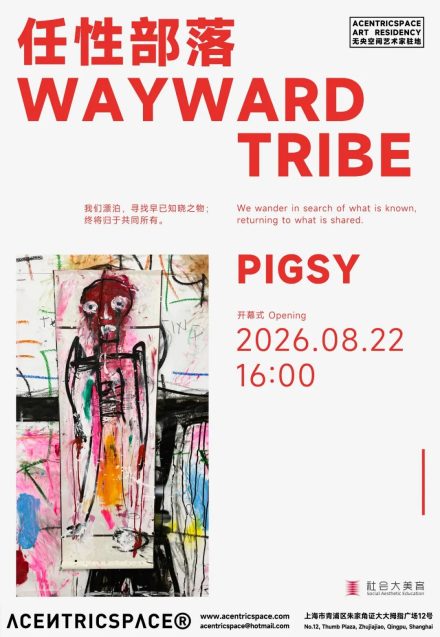
2026 August Artists in Residence
Residency Works Open Day
August 22 (Saturday) 16:00, 2026
“在无央空间的驻地期间,我原本以为自己会创作关于中国的作品。然而,最终我发现自己创作的作品却与中国有着千丝万缕的联系。
我大部分时间都漫步在朱家角古老的巷弄间。周末,小镇上挤满了游客,但真正吸引我、让我难以忘怀的,却是平日里那些宁静的景象:人们随意地聚在一起,一家人穿梭在狭窄的街道上,邻里之间共享空间,外卖小哥在巷弄间飞驰,人们在仿佛与世隔绝的角落里低声交谈。我像一个局外人,观察着这一切,却惊讶地发现,这些景象并非中国独有。这些行为,我早已习以为常。
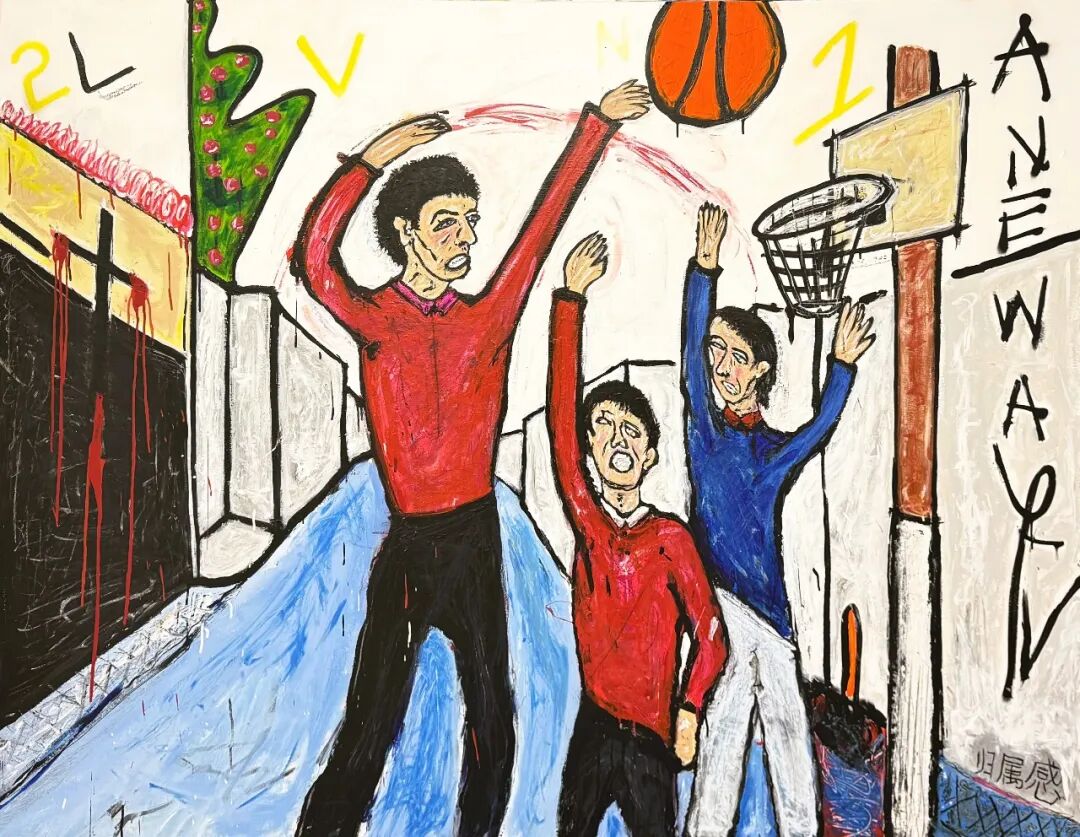
我在都柏林北部的小巷里磨练技艺。那些巷弄里,友谊得以建立,忠诚得以考验,争吵得以化解,足球得以踢到天黑,人们也正是在那里,通过他人来理解世界。那里既有陪伴,也有冲突;既有归属感,也有排斥感;既有欢乐,也有失望。漫步在朱家角的小巷中,尽管相隔千里,历史也截然不同,我却意外地感到一种似曾相识的熟悉感。
作为一名建筑师,我一直对城市中那些容易被忽视的空间着迷,尤其钟情于房屋背后的巷弄。事实上,如果要在巷弄和主干道之间选择,我永远都会选择巷弄。不是那些宏伟的街道或名胜古迹,而是它们背后的通道——服务巷道、后街小巷、废弃的场所、等待开发的田野,以及那些被遗忘的、连接着日常生活的角落。
这些空间吸引我的地方在于,它们展现了人们如何真正地使用自己的居住空间。它们不同于那些基于预设生活方式而设计的空间。相反,它们是由居住其中的人们有机地创造出来的。在朱家角,我再次被这些隐秘的小路和僻静的角落所吸引,发现了许多与我在都柏林北部小巷中记忆相似的氛围和节奏。
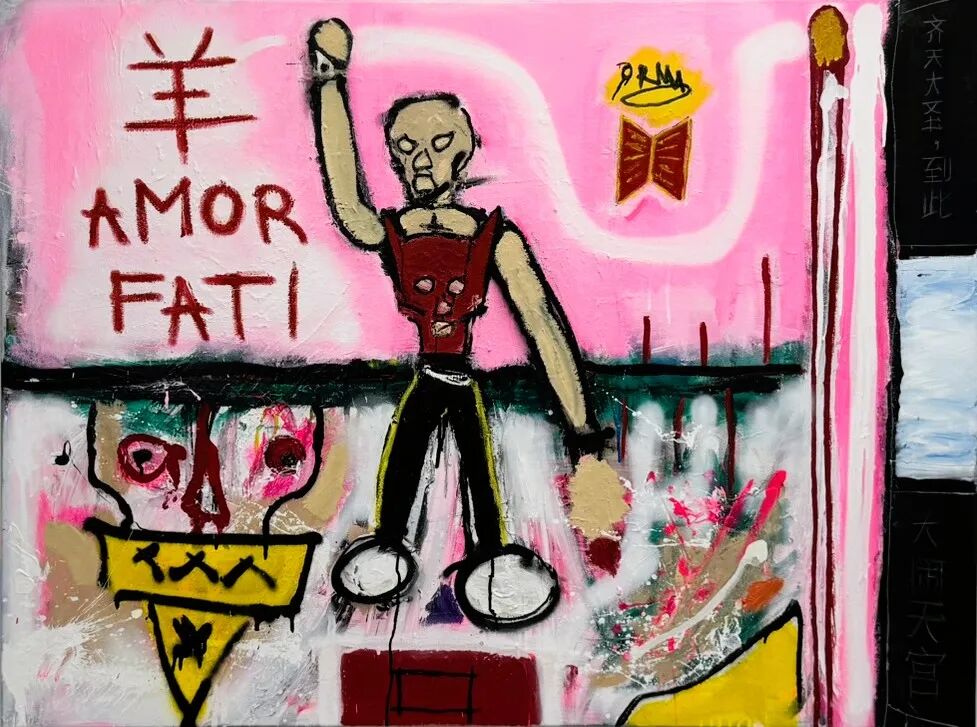
这次驻地也让我意外地重新想起了自己的名字。小时候,我的绰号“猪八戒”源于我对《西游记》英文配音版电视剧《美猴王》的痴迷。几十年后,我身处中国,在那些小巷里的小店里发现了漫画书和与原著相关的资料。这与其说是巧合,不如说是一个静静的循环。我向东而行,却意外地邂逅了早已西传的事物的起源。
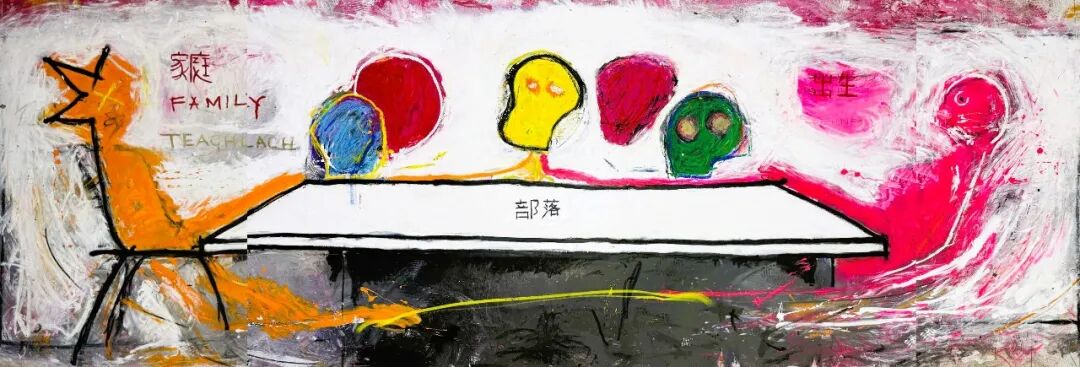
这些画作中的人物很少单独存在。他们聚集、支持、对抗、承载和见证彼此。个体身份开始融入集体。这些画作并非刻意描绘特定的人物或地点;这些作品观察了人类即使相隔千里,如何在世间携手前行。家人、朋友、社群、队友、观众、一同等待的陌生人、互相扶持的人们——这些临时的群体在我们的一生中不断形成和消解。它们是我们继承、抛弃、发现和创造的部落。
作品标题《任性部落》正体现了这一理念。任性并非仅仅意味着迷失,而是指在不知不觉中不断寻觅。我们穿梭于不同的地点、关系和文化之间,希望能在遇到的人身上找到自己的影子,建立联系。有时我们能立刻找到,有时则要等到离开之后才能领悟。
我们漂泊,寻找早已知晓之物;终将归于共同所有。
与其说这是一句宣言,不如说它成为了一种创作方式。每一幅画、每一幅素描、每一卷卷轴、每一块碎片都回归到这个理念。这项工作逐渐不再是记录某个地方,而是尝试理解为何遥远的地方会给人以深深的熟悉感。
这些画作正是这种探索的成果。它们创作于驻地期间,但其目的并非描绘中国,正如它们并非描绘爱尔兰一样。它们不属于任何单一的地方,同时又属于所有的地方。它们关乎地理、语言和文化之下存在的共通模式,人类对归属感的渴望,以及我们不断围绕自身构建群体的复杂方式。
一旦画作离开工作室,它们便不再属于我。它们属于那些与它们相处的人。如果有人在这些作品中看到了自己的影子,那么这段旅程便会继续。”
“During my residency at ACENTRICSPACE, I arrived believing I would make work about China. Instead, I found myself making work about something far more familiar.
I spent much of my time walking through the ancient laneways of Zhujiajiao. While the town is packed with tourists on weekends, it was the quieter weekdays that caught my imagination and stayed with me: people gathering without ceremony, families moving together through narrow streets, neighbours sharing space, delivery riders speeding through the lanes, conversations unfolding in places that seemed hidden from the wider world. I was an outsider observing, yet what I recognised was surprisingly not uniquely Chinese. These were behaviours I had known all my life.
I cut my teeth in the back lanes of north Dublin. Those lanes are where friendships were made, loyalties tested, arguments settled and forgiven, football was played until dark, and where the world was first understood through other people. They were places of companionship and conflict, of belonging and exclusion, of fun and disappointment. Looking through the lanes of Zhujiajiao, separated by thousands of miles and a completely different history, I recognised something unexpectedly familiar.
These people were strangers.
Yet nothing about them felt unfamiliar.
As an architect, I was always fascinated by the overlooked spaces of cities and have a particular grá for the lanes behind houses. In fact, if I can choose between walking a laneway or a main road, I will always choose the laneway. Not the grand streets or celebrated buildings, but the passages behind them—the service alleyways, backstreets, abandoned sites, fields waiting for development and forgotten connections between places where everyday life quietly gets on with it.
These spaces interest me because they reveal how people actually use the places they live in. They are different from spaces designed around a preconceived notion of how someone should live. Instead, they are organically resolved by the people who inhabit them. In Zhujiajiao, I found myself drawn once again to these hidden routes and secluded areas, discovering many of the same vibes and rhythms I remembered from the laneways of north Dublin.
The residency also brought me unexpectedly back to my own name. As a child, my nickname, PIGSY, came from my obsession with Monkey Magic, the English-dubbed television adaptation of Journey to the West. Decades later, I found myself in China, discovering comic books and references to the original story tucked away in small shops along those same laneways. It felt less like coincidence than a quiet loop closing. I had travelled east only to encounter the origins of something that had travelled west long before me.
That sense of returning rather than arriving became central to the work.
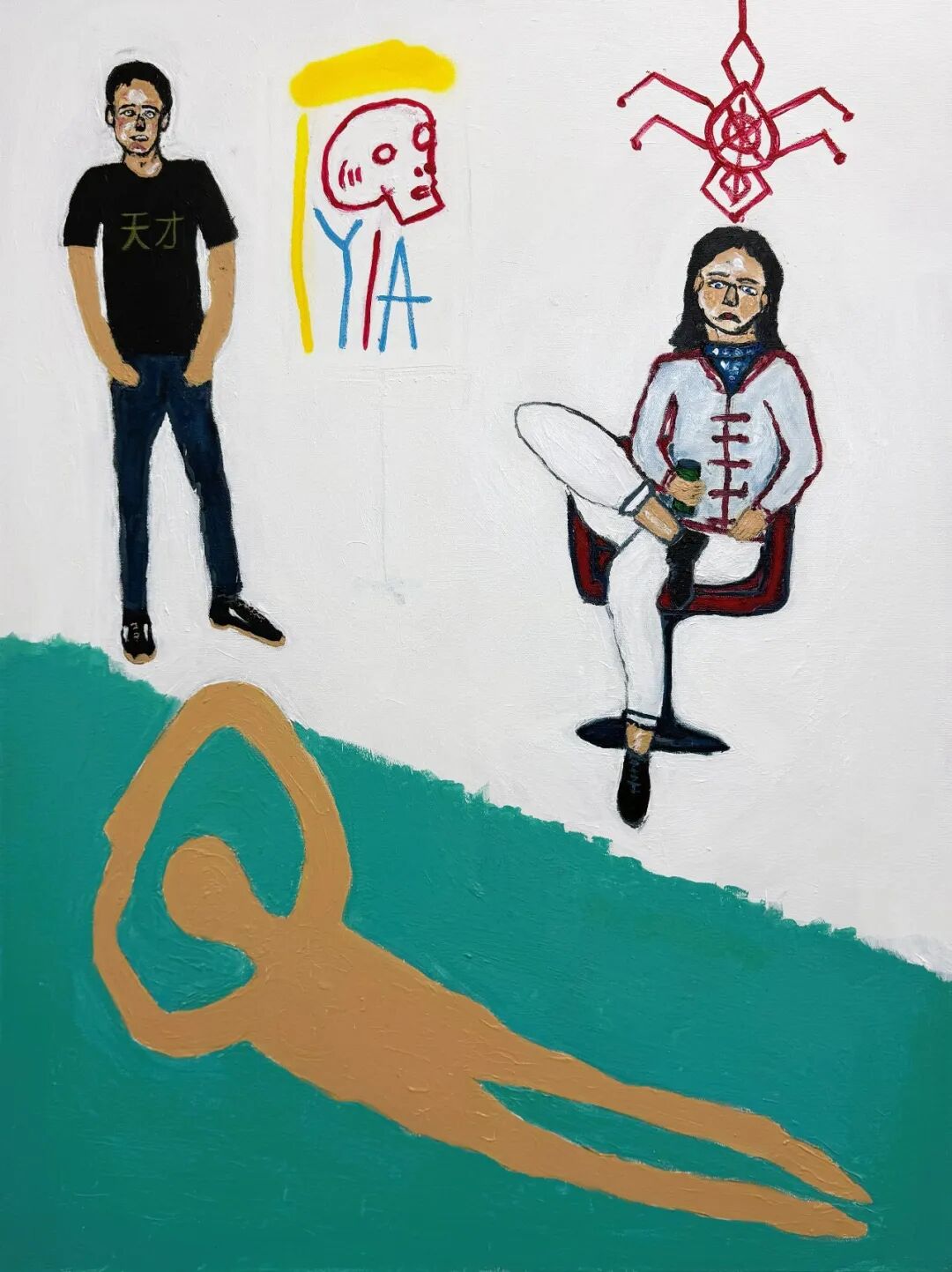
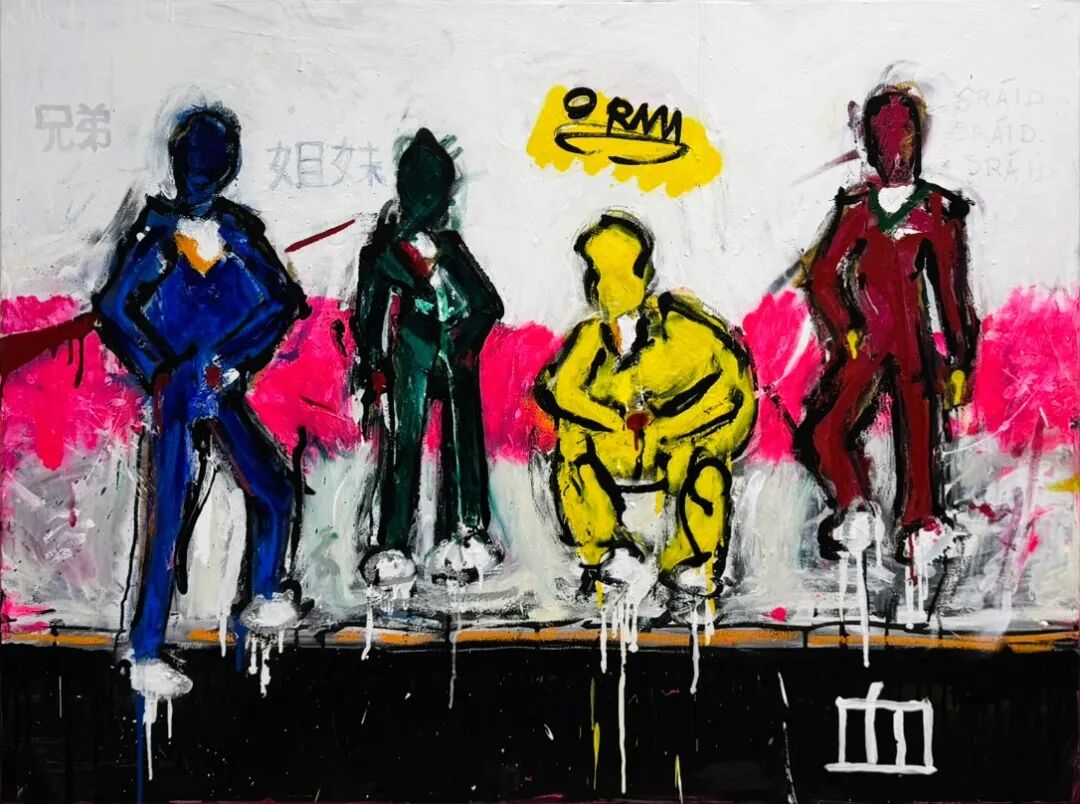
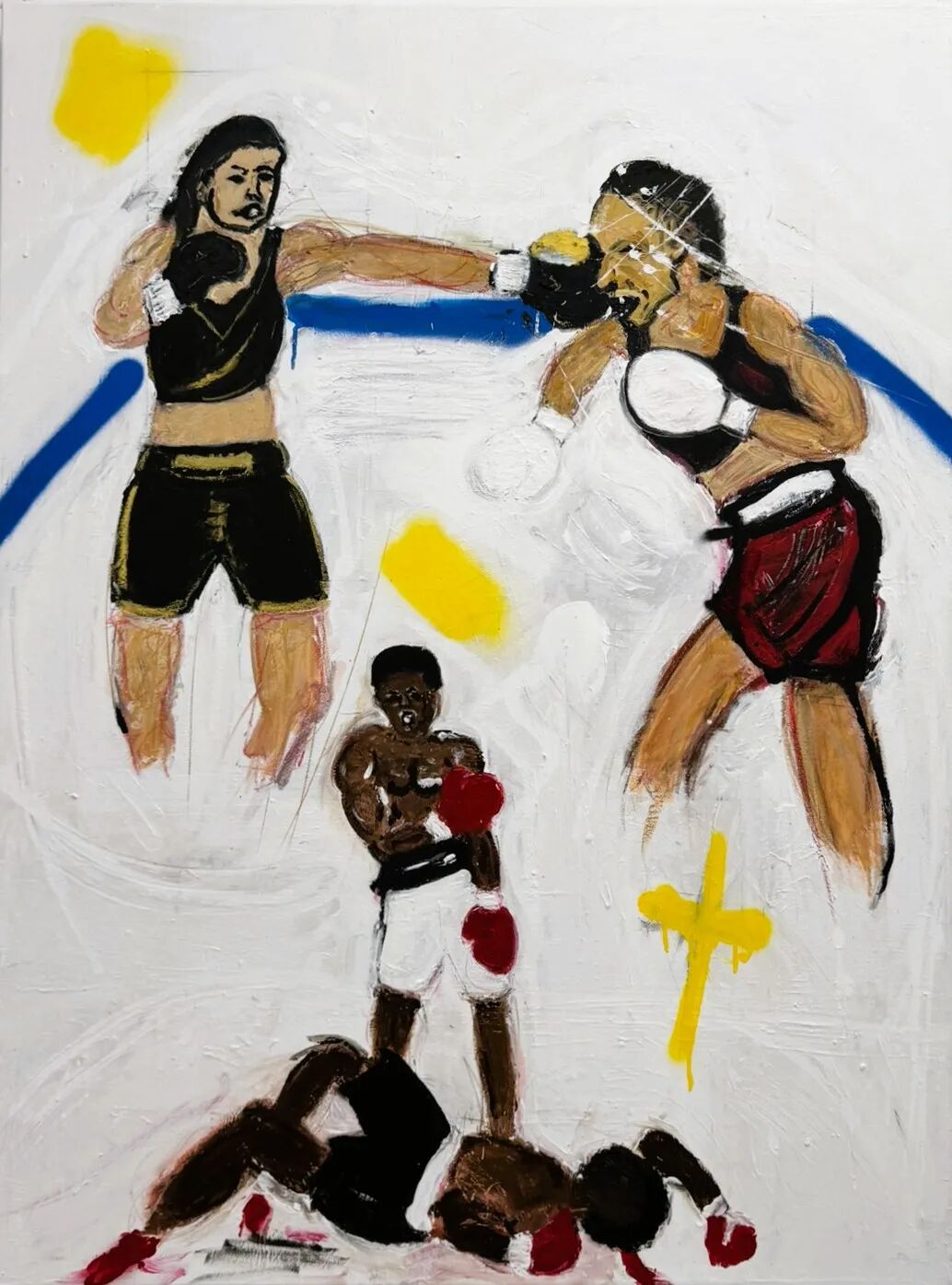
The figures in these paintings rarely exist alone. They gather, support, confront, carry and witness one another. Individual identities begin to melt into collective ones. The paintings are intentionally not portraits of specific people or places; they are observations of how human beings move through the world together even when many miles apart. Families, friends, communities, teammates, audiences, strangers waiting together, people carrying one another—these temporary groupings form and dissolve continuously throughout our lives. They are the tribes we inherit, leave behind, discover and create for ourselves.
The title Wayward Tribe reflects this idea. To be wayward is not simply to be lost. It is to continue searching without always knowing precisely what is being sought. We move between places, relationships and cultures, hoping to recognise something of ourselves in the people we encounter—to make a connection. Sometimes we find it immediately. Sometimes we only recognise it after we have moved on.
Throughout the residency, one sentence remained pinned to the wall of my studio:
We wander in search of what is known, returning to what is shared.
It became less a statement than a way of working. Every painting, drawing, scroll and fragment returned to that thought. The work gradually stopped being about documenting a place and instead became an attempt to understand why distant places can feel deeply familiar.
These paintings are the result of that search. They were made during this residency, but they are not intended to describe China any more than they describe Ireland. They belong to no one place and, at the same time, to all places. They are about the shared patterns that exist beneath geography, language and culture—the human need to belong, and the complicated ways we continue to form tribes around ourselves.
Once the paintings leave the studio, they no longer belong to me. They belong to the people who spend time with them. If someone recognises something of themselves within these works, then the journey continues.”
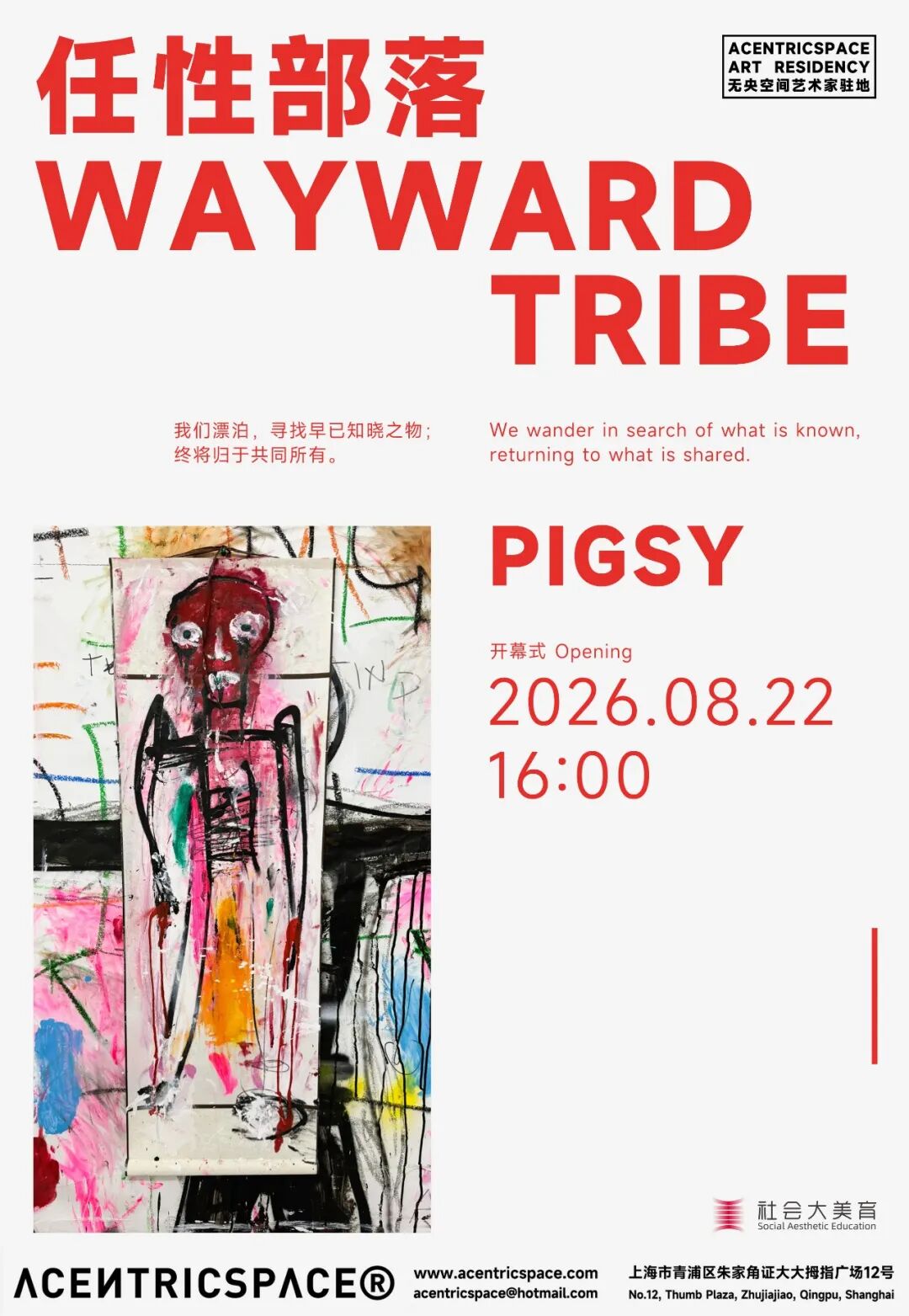
任性部落 Wayward Tribe
丙烯颜料、油画、铅笔、喷漆、油性笔、马克笔、蜡笔及物品粘在画布上
Acrylic Paint, Oil Paint, Pencil, Spray Paint, Oil Stick, Marker, Wax Stick and Objects on Canvas
450 cm W x 160 cm H
2026
巷子 Laneway
丙烯颜料、铅笔、喷漆、油性笔、马克笔和蜡笔在画布上
Acrylic Paint, Pencil, Spray Paint, Oil Stick, Marker, and Wax Stick on Canvas
180 cm W x 140 cm H
2026
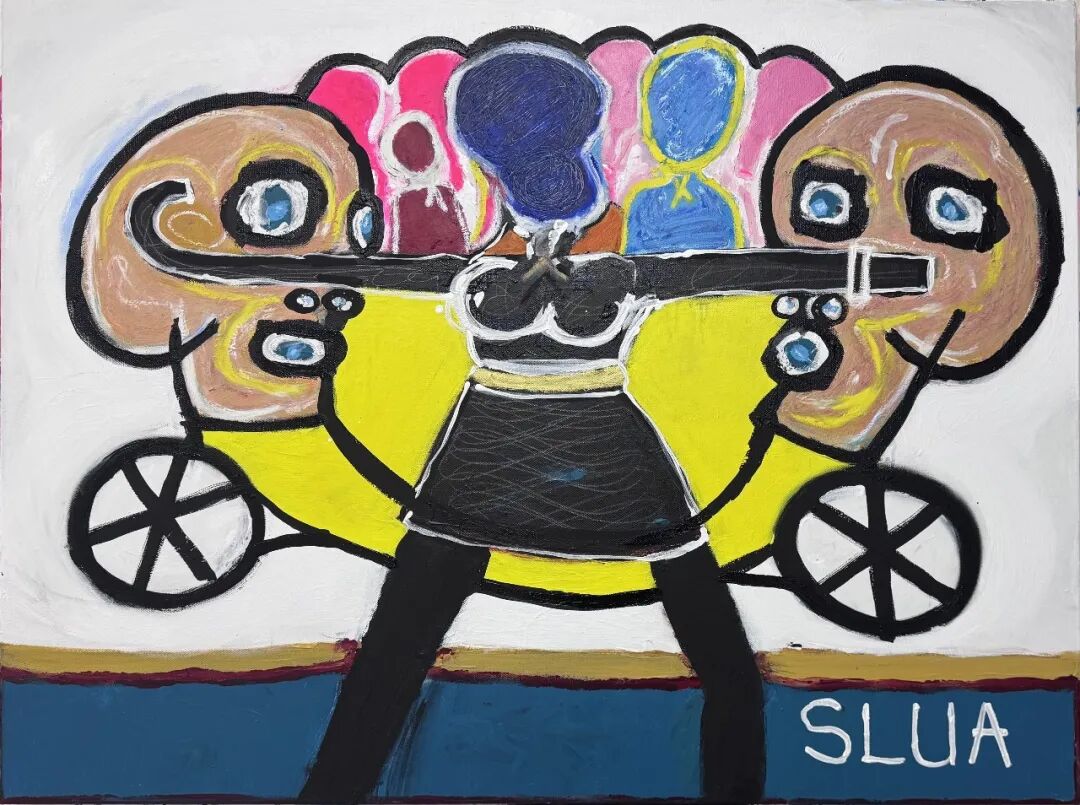
SLUA
丙烯颜料、铅笔、喷漆、油画、油性笔和蜡笔在画布上
Acrylic Paint, Pencil, Spray Paint, Oil Paint, Oil Stick and Wax Stick on Canvas
120 cm W x 90 cm H
2026
群居本能 The Herd Instinct
丙烯颜料、铅笔、喷漆、油性笔、蜡笔和画布上的马克笔
Acrylic Paint, Pencil, Spray Paint, Oil Stick, Wax Stick and Marker on Canvas
120 cm W x 90 cm H
2026
良心发现 The Awakening Conscience
丙烯颜料、铅笔、喷漆、油性笔和蜡笔在画布上的绘画
Acrylic Paint, Pencil, Spray Paint, Oil Stick and Wax Stick on Canvas
90 cm W x 120 cm H
2026
歹徒生活 Thug Life
丙烯颜料、铅笔、喷漆、油性笔、蜡笔和画布上的马克笔
Acrylic Paint, Pencil, Spray Paint, Oil Stick, Wax Stick and Marker on Canvas
120 cm W x 90 cm H
2026
坚持 Persistence
丙烯颜料、铅笔、喷漆、油性笔、蜡笔和画布上的马克笔
Acrylic Paint, Pencil, Spray Paint, Oil Stick, Wax Stick and Marker on Canvas
90 cm W x 120 cm H
2026







![[超]灾变论 [Hyper-]Catastrophe Theory 舜 Shun](https://www.acentricspace.com/wp-content/uploads/2020/10/wxsync-2024-04-17e42ddfe2087d093ffcdad3f414da34-440x625.jpeg)