2026 March Artists in Residence
Residency Works Open Day
何时一切同时发生? When is everything at once?
Artemisia Omani
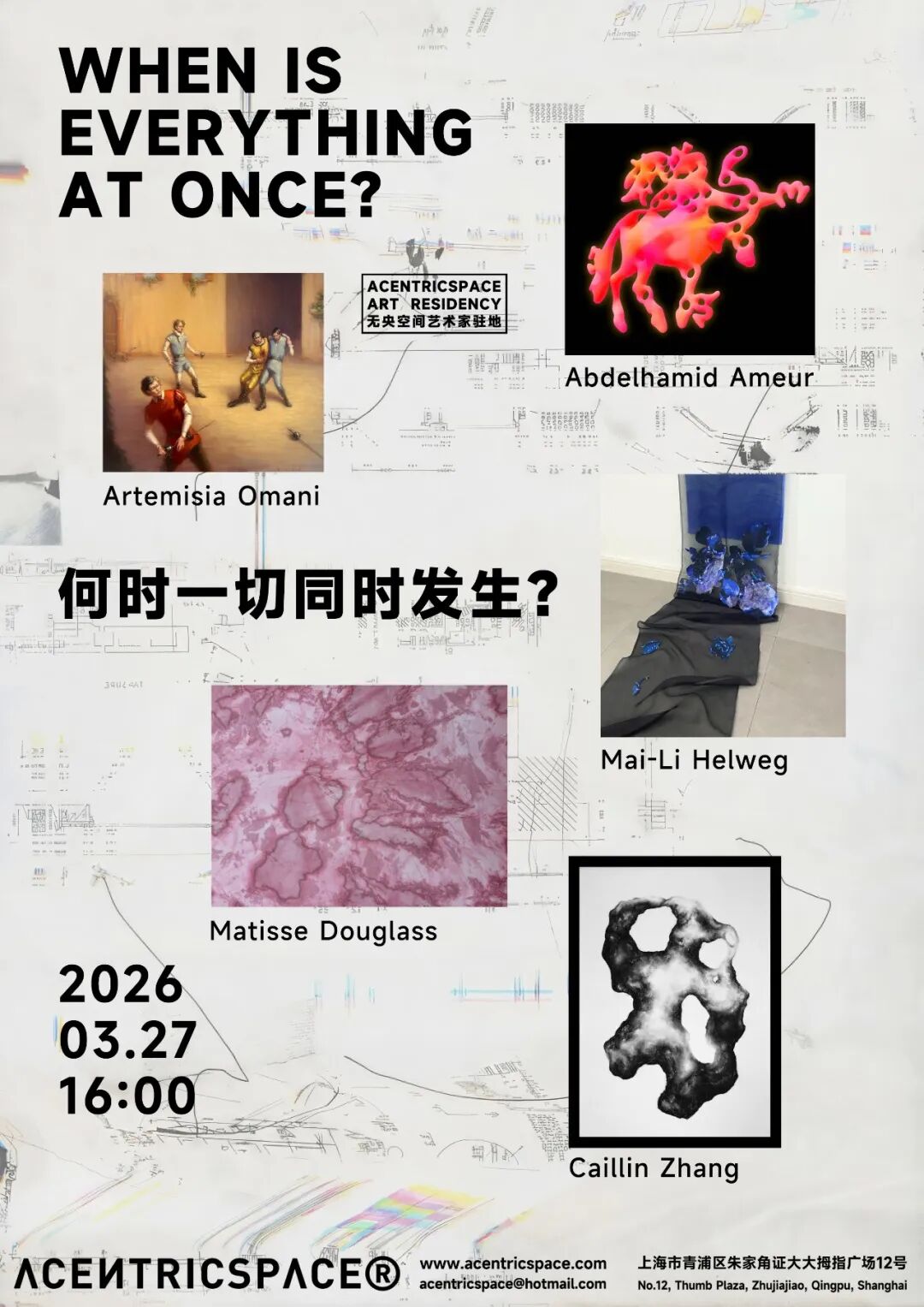
Matisse Douglass
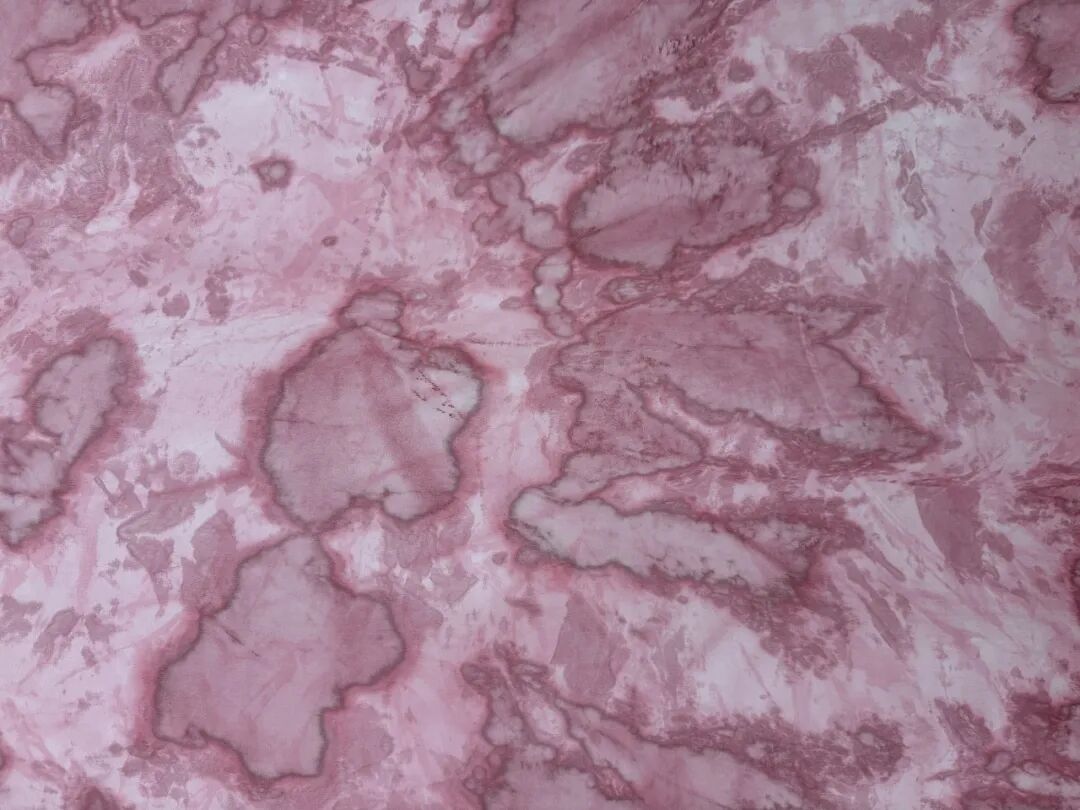
Caillin Zhang
Abdelhamid Ameur
Mai-Li Helweg
March 27 (Friday) 16:00, 2026
“当一切同时发生”不再是一个既定的判断,而成为一个悬而未决的问题:何时一切同时发生?它既指向一种当下的感知经验,也指向一种更深层的存在状态。在这一问题之中,时间不再线性展开,空间不再稳定存在,感知亦不再完整可控。历史、身体与世界之间的关系,持续处于重叠、错位与生成之中。本次开放日汇集五位艺术家的驻地实践,他们从不同路径切入这一问题,展开关于叙事、感知、空间、方向与材料的多重探讨。在Artemisia Omani的绘画中,古典戏剧的悲剧结构被重新激活,历史性的冲突不断回返,使过去与当下在同一时刻交叠发生。Matisse Douglass的装置作品探讨了在这样一个世界中生活体验的不稳定状态:这个世界总是充斥着各种刺激与干扰,人们对于宁静与平和的追求也因此不断受到外界噪音与分心因素的阻碍。Caillin Zhang通过绘画与影像,将空间转化为一种尚未完成的“地方”,使身体成为赋予意义的媒介,在观看之中不断生成经验与位置。Abdelhamid Ameur的作品引入宇宙与方向的维度,通过对星图、国家符号与视觉编码的重组,质疑我们如何在多重坐标系统中进行定位。Mai-Li Helweg则从材料与结构出发,通过叠加、缝合与暴露建构过程,使图像与织物在不稳定的支撑关系中被持续维系。这些实践并不提供一个统一的答案,而是在差异之中构成一个开放的场域。在这里,“同时发生”既不是一个时间点,也不是一种确定的状态,而更像是一种不断逼近却始终未被固定的经验。观众在作品之间移动,被置于多重系统的交汇之中,感知意义如何生成,同时也意识到其持续的滑动与不确定。或许问题本身已成为一种方法:当我们试图辨认“何时”,也同时暴露出我们对于时间、空间与在场的依赖。当这些参照开始失效,“一切同时发生”不再是例外,而成为一种逐渐显现的现实。“When everything happens at once” is no longer a statement, but an open question: When is everything at once? It points both to a condition of contemporary perception and to a deeper mode of being. Within this question, time no longer unfolds linearly, space no longer remains stable, and perception itself becomes fragmented and unstable. The relationships between history, the body, and the world are continuously overlapping, misaligned, and in formation.Bringing together five artists, the exhibition approaches this question through multiple trajectories—narrative, perception, space, orientation, and material. In Artemisia Omani’s paintings, the tragic structures of classical theatre are reactivated, as historical conflicts persist and return, collapsing past and present into a shared moment. Matisse Douglass’s installation explores the instability of lived experience in a world constantly overwhelmed by stimulation and interruption, where the search for peace and stillness is persistently obstructed by external noise and distraction.Through drawing and photography, Caillin Zhang transforms space into an emergent “place,” where the body acts as a mediator of meaning, generating position and experience through perception. Abdelhamid Ameur introduces a cosmic dimension, reconfiguring star maps, national symbols, and visual codes to question how orientation is constructed across multiple systems. Working with textile and assemblage, Mai-Li Helweg foregrounds processes of layering, stitching, and exposure, revealing how images and structures are physically composed and precariously held together.These practices do not converge into a singular answer, but instead form an open field of relations. Here, simultaneity is neither a fixed moment nor a stable condition, but something that is continuously approached without being fully resolved. Moving through the exhibition, the viewer is situated at the intersection of multiple systems, encountering meaning as something that is constantly produced, yet never fully secured.Perhaps the question itself becomes a method. In asking when, we expose our reliance on frameworks of time, space, and presence. As these frameworks begin to destabilize, “everything happening at once” no longer appears as an exception, but as an increasingly recognizable condition of reality.
Artemisia Omani
ARTEMISIA OMANI是一位来自美国的当代古典画家。她接受过俄罗斯建构主义艺术方法的训练,热衷于将扎实的学院派艺术基础与生动的笔触相结合,在画布上展现复杂的情感和故事。ARTEMISIA自幼便开始绘画,青少年时期师从多位导师,曾就读于一所视觉艺术高中,并在佛罗伦萨的一家工作室学习了两年古典艺术。ARTEMISIA的父母分别是演员和古典戏剧教授,她自幼便沉浸在文学、表演和艺术的氛围中。这种早期的熏陶对她后来的作品产生了重大影响,她常常探索这些古典故事和人物在当今时代如何具有极强的相关性和影响力。她在ACENTRICSPACE驻地期间创作的作品系列名为《两家的灾祸》,包含三幅描绘莎士比亚《罗密欧与朱丽叶》的画作。其中一幅名为《梅丘利奥之死》的中心画作,展现了罗密欧的好友梅丘利奥的死亡场景。提伯尔特·凯普莱特(身着红衣)是朱丽叶的表哥,由于凯普莱特家族(朱丽叶家族)与蒙太古家族(罗密欧家族)之间的世仇,他向罗密欧发出决斗挑战。罗密欧拒绝与他决斗,因为他已与朱丽叶秘密成婚,于是梅丘利奥拔剑与提伯尔特对峙。罗密欧试图劝阻他们,阻止这场争斗,但他的介入却无意中导致了朋友梅丘利奥的死亡。梅丘利奥临终前诅咒了凯普莱特家族和蒙太古家族:“愿你们两家都遭瘟疫!”出于复仇和愤怒,罗密欧杀死了提伯尔特 – 在剧终时,剧名中的罗密欧和朱丽叶(分别在中央画作两侧的肖像中)双双结束了自己的生命,应验了梅丘利奥的诅咒。尽管这部剧作创作于 400 多年前,但其故事至今仍令人痛心地具有现实意义。大人们将彼此间的争斗和仇恨强加给子女,拒绝以非暴力方式解决争端,导致了无谓的流血和无辜者的死亡。这些青少年角色就像所有青少年那样行事,他们凭直觉行事,不深思熟虑,但由于周围成人世界的高压和无情,他们幼稚冲动的行为却以死亡收场。尽管这些古老文学和戏剧中的故事在某些人看来可能显得陈旧过时,但它们在当时很重要,现在也同样重要。我们必须继续铭记过去的故事,因为遗忘就意味着重蹈覆辙。ARTEMISIA OMANI is a contemporary classical painter, originally from the United States. Trained in the Russian constructive method of art, she is passionate about using a strong basis in academic art combined with lively brushwork to achieve complex emotion and storytelling on the canvas. Artemisia has been painting since childhood, studying as a protégé under several mentors throughout her youth, attending high school for visual artists, and spending two years studying classical art at an ateliér in Florence. With parents working as actors and professors in the classical theatre world, Artemisia grew up surrounded by literature, performance, and art. This early exposure has been a significant influence on her work, frequently exploring how these classical stories and characters can be extremely relevant and impactful in the modern day.The collection of works that she created during her residency here at ACENTRICSPACE, titled A Plague O’ Both Your Houses, consists of three paintings depicting Shakespeare’s Romeo & Juliet. In the central painting, titled Mercutio, slain, we see the death of Mercutio, a close friend of Romeo. Tybalt Capulet (seen in red) is Juliet’s cousin, and due to his family’s feud with the Montagues (Romeo’s family) he challenges Romeo to a duel. Romeo refuses to fight him, as he has been secretly wed to Juliet, so Mercutio draws his sword against Tybalt instead. Romeo attempts to come between them and stop the fight, but inadvertently his intrusion causes his friend Mercutio to be killed. As Mercutio dies, he puts a curse upon both the Capulets and the Montagues, ‘A plague o’ both your houses’. In vengeance and anger, Romeo proceeds to kill Tybalt- and at the play’s end, the titular Romeo and Juliet (depicted in portraits on either side of the central piece) both take their lives, fulfilling Mercutio’s curse. Though this is a play written over 400 years ago, the story remains painfully relevant to this day. The adults push their feuds and hatred for one another onto their children, refusing to solve their issues without violence, leading to needless bloodshed and the death of innocents. The teenage characters do what teenagers do: they lead with their hearts and don’t think through their decisions, but due to the pressurized and unforgiving adult world around them, their callow impulsivity is punished with death. Though these stories of old literature and theatre can seem ancient and irrelevant to some, they were important then and are important now. We must continue to remember the stories of the past, for what we forget we are doomed to repeat.Mercutio, slain
布面油画 oil on canvas
90x100cm
2026
Juliet
布面油画 oil on canvas
40x50cm
2026
《I’m Not Here》反映了艺术家内心世界与快节奏、过度刺激且永不停歇的现代环境之间的碰撞。在多动症与持续不断的外界噪音的双重影响下,该作品探讨了保持专注、清晰和宁静的艰难,以及那种永远无法触及平静的感觉。该装置是在ACENTRICSPACE驻地期间创作而成,它从周围环境的强烈氛围中汲取灵感,在这里,快速的移动、数字的饱和以及层层叠叠的历史同时存在。这种外在的节奏映射出一种内在的分心状态,在这种状态下,思绪相互重叠,注意力不断转移。该装置将两件作品并置:一件名为《Here》,是一件极简的丝绸作品,代表着平静与静止,静静地置于另一件名为《Not》的悬空亚麻织物的重压之下。亚麻织物沉重地悬在上方,部分遮挡了丝绸的视线。亚麻织物上的手势痕迹、脚印以及散乱无序的线头,象征着思绪的不断奔涌、失去的联系以及令人应接不暇的分心。观众被吸引得更近,试图穿过障碍去探寻其下之物,这反映出一种持续的张力:对当下的渴望始终存在,却从未完全实现。‘I’m Not Here’ reflects the artist’s internal world colliding with a fast-moving, overstimulated modern environment that won’t slow down. Living with ADHD alongside constant external noise, the work explores the struggle to hold onto focus, clarity, and stillness, and the feeling that peace is always just out of reach.Developed during the ACENTRICSPACE residency, the installation draws from the intensity of its surroundings, where rapid movement, digital saturation, and layered histories exist simultaneously. This external pace mirrors an internal state of distraction, where thoughts overlap, and attention continually shifts.The installation juxtaposes two pieces: ‘Here’, a minimal silk work representing calm and stillness, quietly held beneath the weight of ‘Not’, a suspended linen textile. The linen hovers heavily above, partially obstructing the view of the silk. Gestural marks, footprints, and loose, chaotic threads on the linen represent the constant running of thoughts, lost connections, and the overwhelming nature of distraction. Viewers are drawn closer, navigating the obstruction in an attempt to reach what lies beneath, reflecting an ongoing tension: the desire for presence persists, but is never fully realised.亚麻布上的染料和墨水图案 dye and ink on silk亚麻布上的染料和墨水 dye and ink on linen
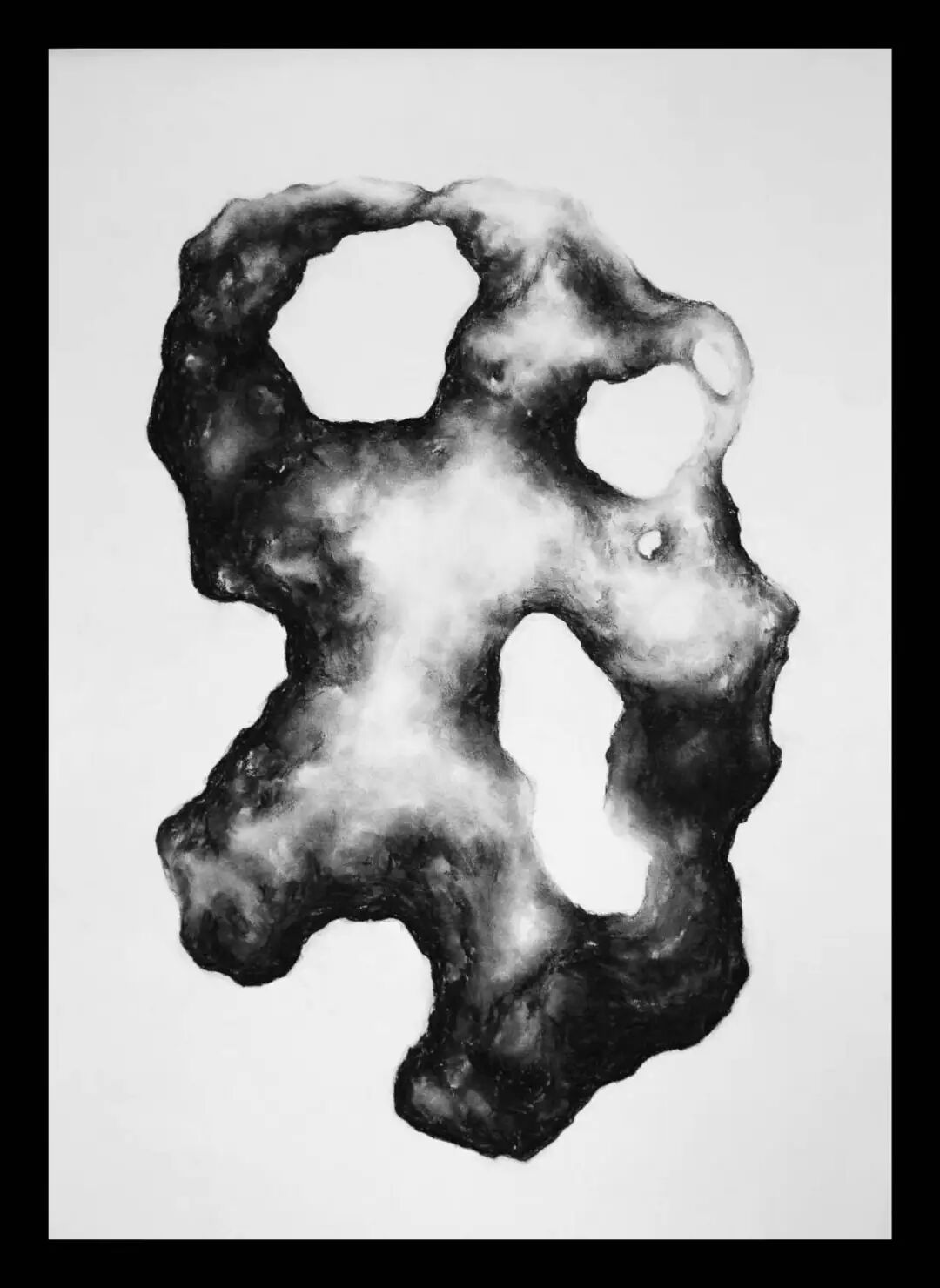
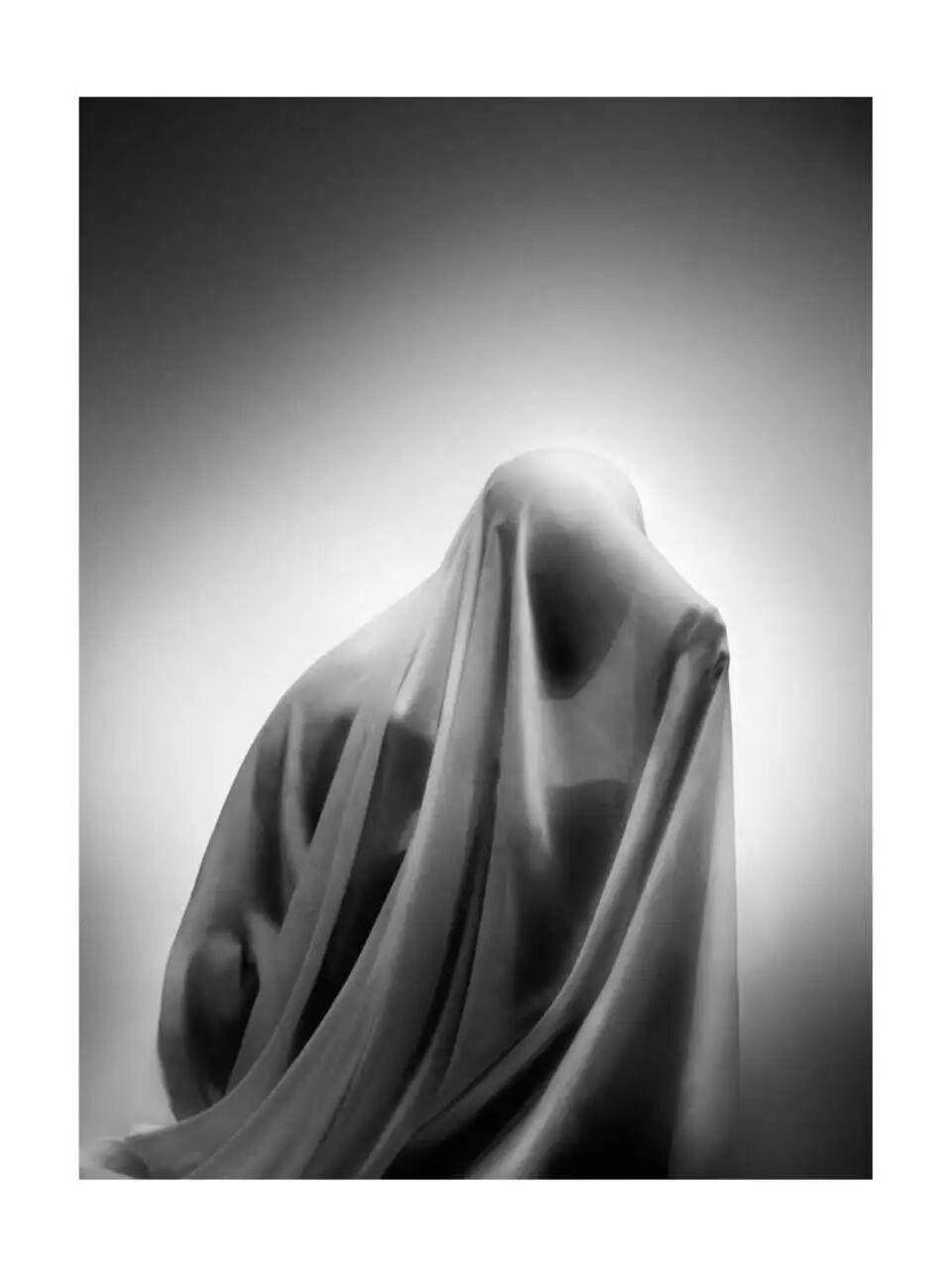
《In the Spaces We Inhabit: Something Like Place Begins to Appear》是一个多媒体系列作品,探究空间和场所这两个抽象概念,以及它们与人体之间的关系。空间是一种无形的虚空,而场所则是明确的、有形的存在。作为客体和主体的人体在界定和占据这两者的过程中发挥着核心作用。我们对空间的理解受到个人和集体的记忆、经历和知识的影响。
在这些炭笔画中,抽象的空间和空洞浮现出来,让人联想到海岸景观、巨石群以及供石的形状。这些作品邀请观众迷失在这些空间的模糊性中,鼓励他们进行沉思和内省。由观众自行用自身的经历和理解来“填补”这些空洞。我们是否通过赋予这些空间意义,从而将它们变成了场所?
这些照片将人体呈现为一个中立的物体,一个占据空间的“它”。这种观念契合了这样一种理念,即对于人类而言,空间最终是以身体来衡量的。在这些影像中,人体成为了一个类似风景的存在,被抽象成与那些绘画相呼应的形态。
通过正在进行的“在我们所处的空间里:某种类似场所的东西开始显现”的对话,观众成为塑造意义的积极参与者,使得每次与作品的相遇都成为独一无二的体验。
“In the Spaces We Inhabit: Something Like Place Begins to Appear” is a multimedia series of works that investigates the abstract concepts of space and place, and their relationship between the human body. Space is an intangible void, while place is a defined, physical entity. The body, as both object and subject, plays a central role in defining and inhabiting both. Our understanding of space is shaped by our memories, experiences, and knowledge – personal and collective. In the charcoal drawings, abstract spaces and voids emerge, reminiscent of coastal landscapes, boulder formations, and the shapes of 供石(Chinese Scholar Rocks). These works invite viewers to lose themselves in the ambiguity of these spaces, encouraging contemplation and introspection. It is up to the viewer to ‘fill in’ these voids with their own experiences and interpretations. By assigning meaning to these spaces, do we, in turn, make them places? The photographs present the human body as a neutral object, an ‘it’- occupying space. This notion plays into the idea that, for humankind, space is ultimately measured by the body. In these images, the body becomes a landscape-like entity, abstracted into forms that echo the drawings. Through the ongoing dialogue of “In the Spaces We Inhabit: Something Like Place Begins to Appear”, the viewer becomes an active participant in shaping meaning, making each encounter with the work a unique experience.In the Spaces We Inhabit: Something Like Place Begins to Appear素描 Drawings: 21 x 30 inches图像 Images: 23 x 31 inches素描 Drawings: Willow charcoal, charcoal pencil on Baohong cotton paper图像 Images: Black and white digital prints on Hahnemühle Photo Rag paper
Abdelhamid Ameur
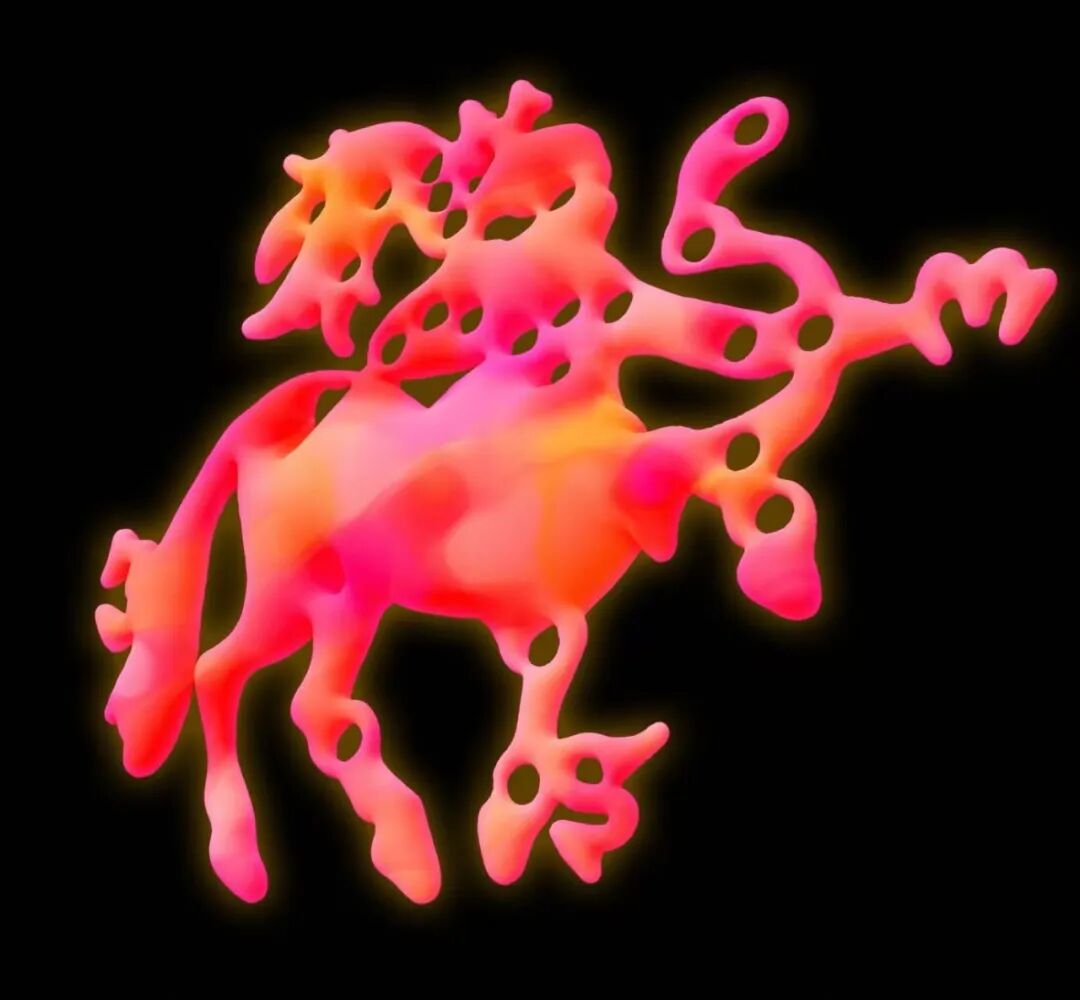
13聚合物3D打印件 13 Resin 3D Prints基于Ṣūfī, ʿAbd al-Raḥmān ibn ʿUmar所著的《星图图鉴(固定星体图集)》(903 – 986 年)以及Hito Steyerl在《自由坠落:关于垂直视角的思考实验》一文中所采用的鸟瞰视角,这些树脂 3D 打印的物件充当了方向指引的护身符。将嵌入物件内部的凹槽与夜空中的星星对齐,它们可以作为定位星群和基本方向的模板。仰望夜空不仅有助于空间定位,还带来一种谦逊的跨国层面的大地意识。
Based on “Kitāb Ṣuwar al-kawākib (Book of Pictures of the Fixed Stars) by Ṣūfī, ʿAbd al-Raḥmān ibn ʿUmar, 903–986, and the bird’s-eye perspective in Hito Steyerl’s essay” In Free Fall: A Thought Experiment on Vertical Perspective**, these resin 3D-printed objects function as talismans for orientation. Aligning the cavities embedded in the objects with the stars in the night sky, they can be used as templates to locate star constellations and the cardinal directions. The look into the night sky serves not only for spatial orientation but also as a humbling transnational sense of ground.细孔网眼织物印花 fine-pore mesh textile print“宇宙微波背景”是大爆炸后的微弱余晖,也是我们在天空中所能看到的最古老的遗迹。在象征意义上,星星不仅代表着衡量品质的指标,还承载着一个国家的民族身份。这件艺术品将各国国旗上的所有星星置于一个半球上,并在这一背景之上,将当地可爱的动物、个人想象中的角色以及物品排列成星系状图案。
“The cosmic microwave background” is the faint afterglow of the Big Bang and the oldest relic we can see in the sky. Stars serve in iconography not only as a consumerist chart for quality but also as a national identity. This artwork places all the stars of national flags on a hemisphere and juxtaposes local cute animals, personal imagined characters and objects as star constellations on this background.
Mai-Li Helweg
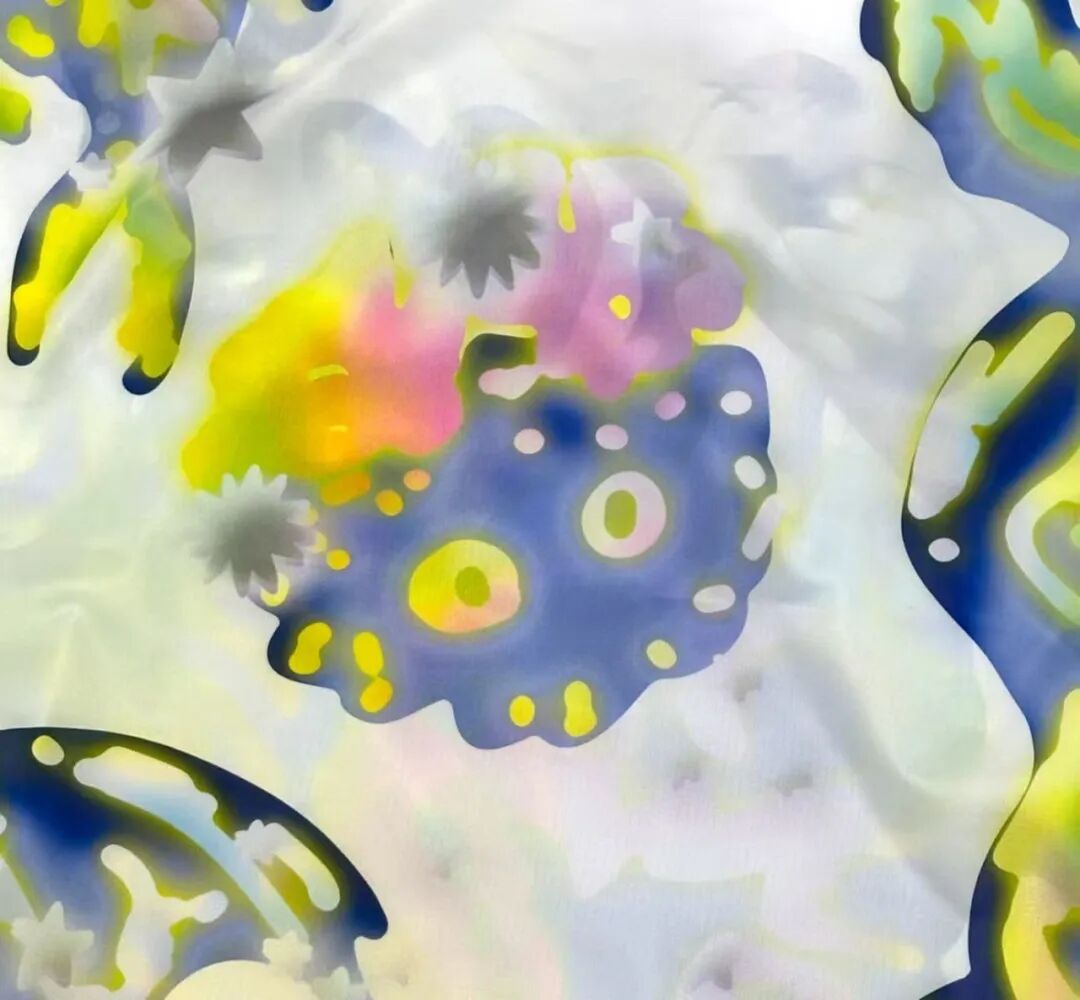
这些作品通过层层叠加和缝合的方式将彩绘宣纸与织物相结合。花卉图案被印制和刺绣出来,放置在丝绸层上,并用可见的钉子固定。其中一件作品较为紧凑,而另一件则向下延伸并朝地面坍塌。整个结构保持暴露状态,展示了材料的处理方式以及固定方式。
在驻地期间创作的这些作品,充分考虑了工作室的环境以及现场可利用的材料。绘画与刺绣同时进行,两者共同塑造了最终的构图。
这种做法得益于她在时尚领域的背景,从而决定了如何处理织物和刺绣。
The works combine painted rice paper and textile through layering and stitching. Floral elements are printed and embroidered, placed onto silk layers and fixed with visible staples. One piece remains more contained, the other extends downward and collapses toward the floor. The construction remains exposed, showing how the materials are handled and held in place.Developed during the residency, the works respond to the studio context and materials available on site. Painting and embroidery were developed in parallel, allowing both to shape the final composition.The approach is informed by her background in fashion, shaping how textile and embroidery are handled.Blue, under tension (stapled)Silk, rice paper, thread, beads, staples, wood, metal210cm x 200cm x 60cm (可变 variable)Floral, raw edge
丝绸、宣纸、丝线、珠子、木材、金属
Silk, rice paper, thread, beads, wood, metal
200cm x 58cm x 5cm
2026






![[超]灾变论 [Hyper-]Catastrophe Theory 舜 Shun](https://www.acentricspace.com/wp-content/uploads/2020/10/wxsync-2024-04-17e42ddfe2087d093ffcdad3f414da34-440x625.jpeg)